Aadya – Thoraipakkam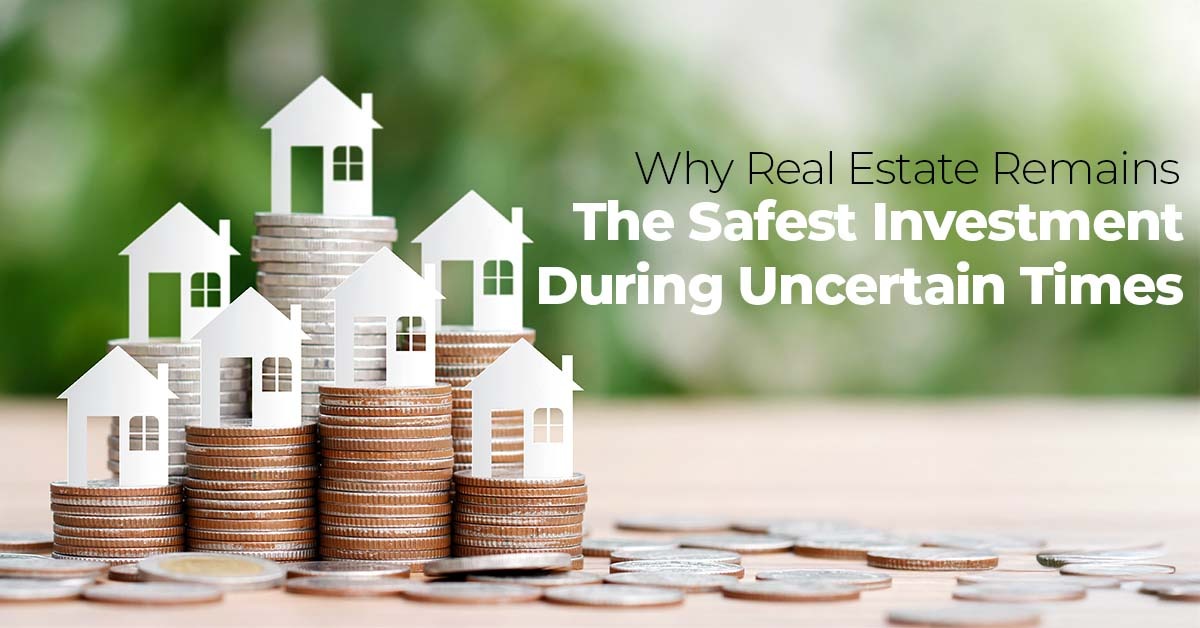
Why Real Estate Remains the Safest Investment During Uncertain Times
When the economy turns uncertain, it becomes clearer which investments can absorb the pressure and which ones shift with every change in the market. Inflation, currency swings, and shifting job patterns often unsettle even seasoned investors, making them reassess where their money should sit. In such phases, most people gravitate toward assets that exist beyond screens and charts. Real estate fits this need because its worth comes from the land itself and how people use it every day, not from short-lived market sentiment. You can see this clearly in areas that continue to expand; housing activity there reflects real demand rather than speculation. Locations with steady population movement and planned infrastructure, such as regions offering plots for sale in Poonamallee, continue to draw interest even when other investment avenues flatten out. The appeal lies in stability, usability, and the reassurance that property retains relevance regardless of economic cycles.
Real Estate Offers Tangible Security
Real estate tends to hold its ground when the wider economy becomes unpredictable, something many other investment choices fail to do under the same pressure. A Real Estate Investment is anchored in something physical land, structure, and the daily need for housing. That alone sets it apart from instruments that fluctuate purely on market sentiment. Property does not disappear with a sudden dip in indices, nor does it lose its purpose when financial cycles tighten. Even if values adjust for a time, the underlying utility remains. People continue to rent, space continues to be used, and the limited land supply works as a natural stabiliser.
Another reason real estate is viewed as the safest investment is the control it gives the owner. Choices about upkeep, improvements, or shifting the property toward a different rental segment rest entirely with the investor. These decisions allow the asset to perform better over time instead of relying on market swings to create value. This combination of control and the steady need for land and housing gives real estate a consistency that long-term investors can depend on.
Property Values Show Long-Term Stability
Property tends to move through cycles without losing its underlying strength, which is why many investors treat it as a steady form of wealth building. A property investment may see short-term corrections, but it rarely faces the kind of long-term erosion seen in market-linked instruments. Indian residential markets show this clearly. In most cities, especially in Tamil Nadu, a steady stream of families keeps looking for homes even when the broader economy slows down. That everyday demand stops prices from drifting too far, because people continue buying or renting regardless of market mood. As a result, any dip that shows up usually settles on its own once regular activity resumes.
The same pattern appears in land investment benefits, where scarcity plays a defining role. Land values shift slowly, influenced by infrastructure growth, connectivity, and future development potential. People turn to property in difficult periods because the underlying need for a place to live or a piece of land to hold does not disappear. Even when the wider economy shifts, families continue searching for stable housing and reliable space, which keeps real estate anchored in a way few other assets manage.
Real Estate Acts as a Natural Hedge Against Inflation
Inflation reduces what money can buy, but it often reinforces the strength of a Real Estate Investment. As the cost of materials, labour, and land moves upward, property values follow the same direction. These increases are not speculative; they come from actual expenses tied to building and maintaining homes. Limited land supply adds another layer of firmness, especially in developing urban pockets where demand does not slow even when prices rise.
During such periods, rental rates also tend to move up. This gives property owners a steady income flow at a time when many financial instruments struggle to keep pace with inflation. It is one of the reasons real estate is frequently viewed as the Safest Investment. Returns come from two distinct sources: growth in the property’s value and the rent it can generate. Both usually strengthen when inflation persists, offering a buffer that most market-linked options cannot match.
Rental Income Creates Cash Flow Even in Uncertain Markets
When the economy softens, people may rethink major purchases, but they still need a roof over their heads. That simple fact keeps most rental properties occupied. Owners feel the effect immediately because the income comes from a basic, unavoidable need rather than market swings. Homes placed near busy workplaces or in suburbs that continue to grow rarely stay vacant for long. Tenants often choose a place that shortens their commute or fits their routine, and that steady movement in the rental market protects the cash flow even when other investments slow down.
For many investors, this steady rental inflow becomes the cushion that supports EMIs or day-to-day financial planning when other investments fail to produce returns. Even those focused on long-term appreciation recognise that regular rent helps stabilise the overall portfolio. These patterns often overlap with land investment benefits as well; plots in strategic locations can be adapted for rental use or future development, giving investors more than one route to sustained income during uncertain phases.
Real Estate Offers Greater Control Over Risk
Investors often prefer real estate because they can influence how the asset performs. The result is shaped more by the decisions they take on where to buy, when to buy, and how the space will be used than by the rapid shifts that affect most market-linked products. Decisions begin with the basics: selecting the right location, deciding whether to enter through land, an under-construction project, or a ready home, and planning how the space will be used in the long run. Some prefer to live in it, others lease it out, and many look at phased improvements before resale. Each of these choices shapes how the investment performs.
Owners are not pushed into quick decisions when the market slows. A property can simply be kept aside until activity picks up again. Some investors use that period to carry out repairs or small upgrades that attract a better tenant, while others rethink how the space should be used so the income doesn’t stop. In developing areas, for example, locations where plots in Valarpuram are coming up, these adjustments are easier to plan because the surroundings are steadily improving, which naturally supports the value of the asset and keeps exposure to risk low.
Buyers Prioritise Home Ownership During Crisis
Periods of uncertainty usually make families rethink what truly matters. When incomes feel fragile or the news turns unpredictable, most people move away from speculative choices and look for something that will hold its value without constant monitoring. A Real Estate Investment often becomes the first option they consider, because having a permanent home removes a layer of insecurity that rentals cannot.
The shift became clearer during the pandemic. Many households wanted more control over their living space, a place they wouldn’t have to give up because of changing circumstances. That preference kept residential buying activity steady even while other investments lost direction. For many families, having a home provides financial support as well as a feeling of steadiness, which is why property often stands out as the safest investment when people become more cautious about their choices.
Conclusion
People often fall back on property during uncertain periods because the basic need for a permanent home or a secure piece of land remains constant, regardless of how the economy behaves. Even when the wider economy shifts, families continue searching for stable housing and reliable space, which keeps real estate anchored in a way few other assets manage. That ongoing demand, combined with the way property values mature over time, gives investors a sense of protection that fast-moving financial products rarely offer.
Anyone building wealth patiently tends to keep real estate at the centre of their plans. Location strengthens this further; pockets with clear growth potential, for example, areas offering land for sale in Chennai, show how the right site can influence long-term returns. When the project is backed by a dependable developer, the investment gains another layer of certainty.

Recent Posts

How Customers Evaluate Land Value Before Investing

Are Approved Plots Better Than Unapproved Land?